 NEW IN
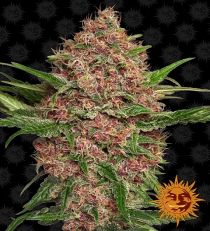
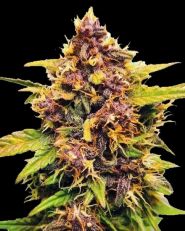
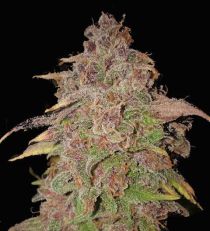
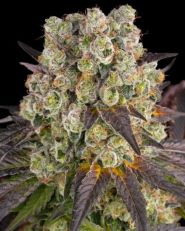
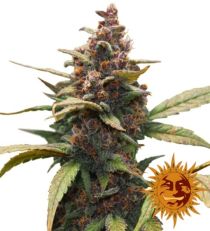
What Are Purple Weed Strains?
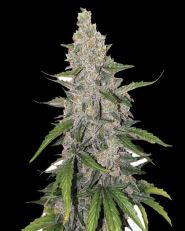
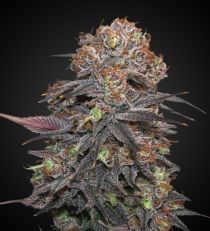
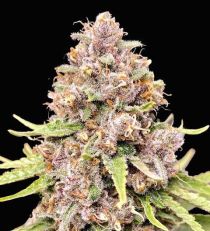
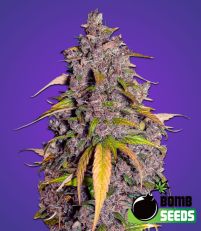
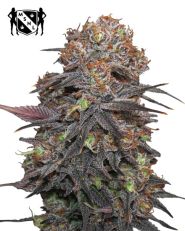
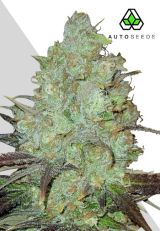
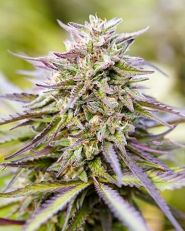
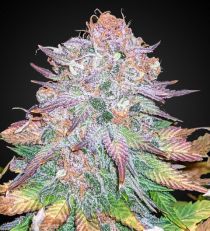
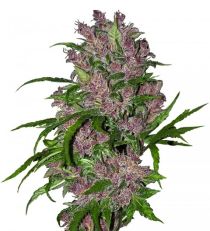
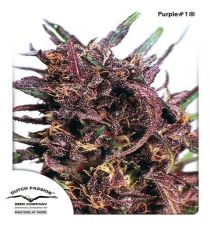
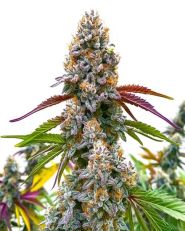
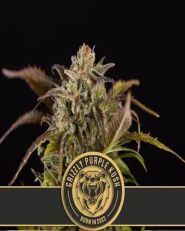
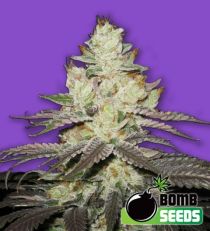
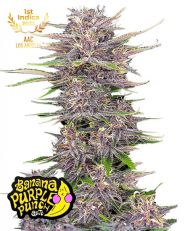
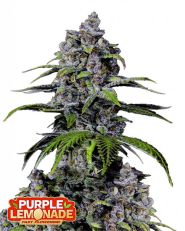
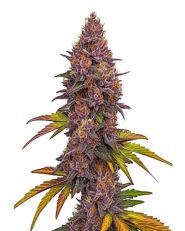
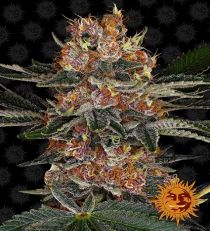
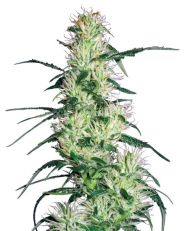
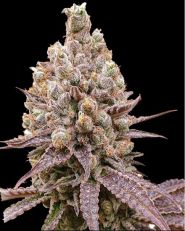
Purple weed strains are cannabis varieties that can develop purple, violet, red, or darker shades across their flowers and leaves.
The color comes from natural pigments called anthocyanins. Genetics plays the main part in whether a strain has the potential to turn purple, while growing conditions can affect how deep or noticeable the color becomes.
Color alone does not tell you how strong a strain is, what effects it may have, or how it will grow. Purple varieties span indica, sativa, and hybrid genetics, and include both autoflowering and photoperiod seeds.
Why Choose Purple Weed Strains?
Purple weed strains are mainly chosen for their standout appearance. The deep purple, violet, and red shades can make the flowers look very different from the green colors seen on many other strains.
Color is only part of the appeal, though. Purple strains come in a wide range of THC levels, flavors, flowering times, yields, and plant sizes, so you can choose around the qualities that matter most to you.
You’ll find options with fruity, berry, sweet, earthy, citrus, and floral flavors. A purple flower does not have to taste like grape: the aroma and flavor come from the particular strain rather than its color alone.
There are also purple autoflowers and photoperiod strains, plus shorter plants for smaller spaces and higher-yielding options for growers who want more from their harvest.
How to Choose Purple Weed Strains
Once you know you want a purple strain, decide what matters most beyond the color. Start with the type of plant and your growing space, then compare THC, flavor, flowering time, and yield.
Choose the Right Type for Your Grow
Start with seed type, flowering time, and plant size.
Autoflower seeds can suit growers who want a quicker, more straightforward grow, while photoperiod strains give you more control over when flowering begins indoors. Purple Punch Auto by Barney’s Farm is one compact automatic option; Purple Haze by 420 Seeds offers a photoperiod Haze choice.
Then consider height and flowering time. If space is limited, shorter plants are easier to manage, while a shorter flowering period may suit a tighter schedule. Our indoor cannabis seeds can also help if room is tight.
Choose by THC and Effects
Purple color does not tell you how strong a strain will be or what the effects will feel like.
Choose the THC level and breeder-described character you prefer. For example, Purple Haze by 420 Seeds is listed at 18–20% THC, while Purple Punch by Barney’s Farm is listed at up to 30%. The purple color itself does not explain that difference.
If potency matters most, compare the individual THC figures or look through our high THC cannabis seeds for more options.
Compare Yield, Flavor, and Price
Once you have a shortlist that suits your grow and preferred effects, compare the finer details.
Expected yield can vary considerably between purple strains. Purple Punch by Barney’s Farm is listed above 600 g/m², while the Purple Punch Auto listing has a more compact yield range. If harvest size leads your decision, our high-yield cannabis seeds can help you explore further.
Flavor is another useful way to narrow the range. Purple strains can be fruity, sweet, earthy, citrus, pine, or floral, so they do not all taste like grape or berries.
From there, compare breeder, pack size, and price to find the option that fits your budget.
Compare Purple Weed Strains at 420 Seeds
Our purple weed strains cover different seed types, flowering times, THC levels, yields, flavors, and plant sizes. Granddaddy Purple, for example, appears in more than one breeder version and as an autoflower, so the name alone does not tell you which growth pattern or timing you are buying.
We stock purple varieties from our own 420 Seeds range alongside breeders such as Barney’s Farm, Bomb Seeds, Fast Buds, and Royal Queen Seeds.
Choose the type of plant and the qualities you want first. Then compare breeder, pack size, and price between the purple strains on your shortlist.
Are Purple Weed Strains Right for You?
Purple weed strains are worth considering if appearance matters to you but you still want plenty of choice over THC, flavor, speed, and plant size.
If another feature matters more than color, start with that instead. Someone mainly interested in stronger strains may find it easier to begin with high-THC seeds, while a customer focused on harvest size may be better starting with high-yield strains and seeing which purple choices fit.
Why Buy Purple Weed Strains From 420 Seeds?
You can compare purple strains across different breeders, seed types, flowering times, THC levels, and price points rather than being limited to one brand.
Branded seeds are supplied in their original breeder packaging, and we batch-test our seed stock before it reaches customers.
Purple Weed Strains FAQs
Will every purple strain develop deep purple flowers?
A strain known for purple coloring has the genetic potential to show it, but the exact shade and amount can vary from plant to plant and with growing conditions. Choose genetics selected for color if the appearance is your main reason for buying.
Which purple weed strains are best for beginners?
Choose an easier-growing strain with a manageable height and flowering time. A compact purple autoflower can be a straightforward starting point if you prefer automatic flowering; a photoperiod option gives you more control over the growing stage.
Should I choose a purple autoflower or photoperiod strain?
Choose an autoflower if your priority is a shorter overall cycle with automatic flowering. Photoperiod strains give you more control over when flowering starts indoors and can offer more time to develop a larger plant.
How do I choose a purple strain for a small indoor grow?
Check the expected plant height first. Shorter plants are easier to fit into tents and rooms with limited vertical space, while flowering time and yield can help you narrow the choice further.